
Wool's 10,000-Year Story — And Why It's Still Winning

Before synthetics. Before factories. Before the internet. Wool was keeping humans alive. Archaeological evidence shows people were wearing wool more than 10,000 years ago — not because it was fashionable, but because it worked. It kept them warm in brutal conditions. It kept them dry. In the most literal sense, it kept them alive.
That's not ancient history trivia. That's 10,000 years of proof.
The World's Oldest Performance Fabric
Kings wore wool. Explorers survived on it. Soldiers marched in it. Wool built trade routes and shaped economies for millennia. The Roman Empire ran on it. Medieval Europe was powered by it. New Zealand's entire early economy was built on the sheep's back.
And here's the wild part: the wool that goes into your modern hiking socks, your merino base layer, your performance jacket — it comes from the same fibre that built civilisations. Same fibre. Thousands of years of refinement. Completely different application.
Somewhere Along the Way, We Forgot
The 20th century gave us synthetics, and we got distracted. Polyester, nylon, acrylic — cheap to make, easy to market, and suddenly everywhere. Wool started to feel old-fashioned. Heavy. Itchy. Your grandad's scratchy sweater.
But wool didn't go anywhere. It kept doing what it always did. And quietly, the industry kept innovating — engineering finer fibres, developing new processing techniques, creating merino wool so soft you'd never believe it came from a sheep.
While synthetic fabrics were flooding the market, wool was getting better. We just weren't paying attention.
Why Premium Brands Are Coming Back to Wool
Something interesting has happened over the last decade. The world's best outdoor companies, performance gear brands, and sustainable fashion leaders have all started moving back to wool. Not because it's trendy — because they've run the numbers and wool wins.
Wool naturally regulates temperature. It doesn't stink after days of wear. It lasts longer than synthetics under real use conditions. It doesn't shed microplastics when you wash it. And when it finally reaches the end of its life, it biodegrades — it doesn't sit in a landfill for centuries.
The brands making this choice aren't the discount retailers. They're the ones charging premium prices and still selling out. Because people are finally asking harder questions: Where does this come from? What happens when I wash it? What happens when I'm done with it?
The Oldest Technology Is Sometimes the Best
Wool has been working for 10,000 years because it's genuinely brilliant engineering — just biological rather than synthetic. A wool fibre is naturally crimped, which traps air and creates insulation. It absorbs moisture without feeling wet. It's naturally antimicrobial. It's naturally flame-resistant. No chemical coatings required.
The best technology isn't always the newest. Sometimes it's the one that's been proving itself since the Stone Age.
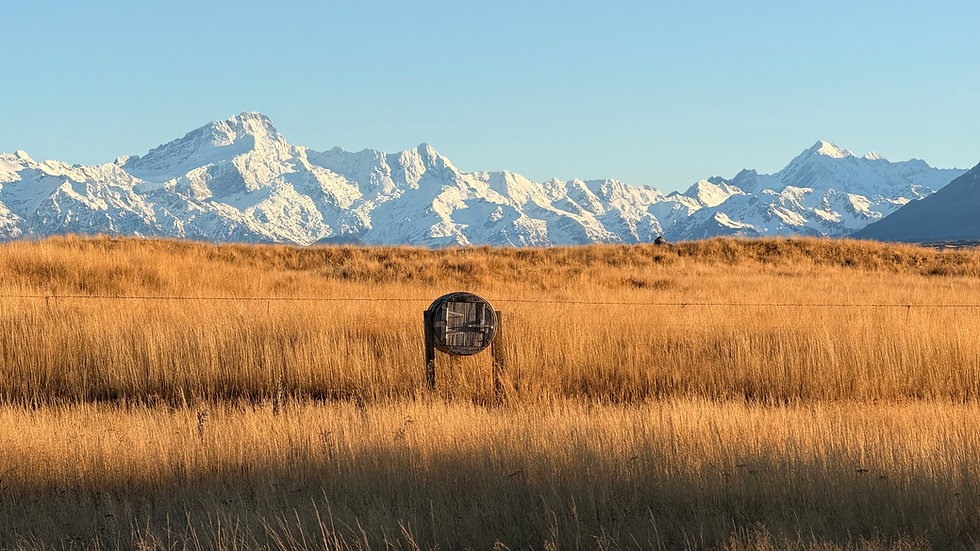
Your wool has a 10,000-year story. It starts with a sheep on a New Zealand hillside, in the hands of people who care about doing the job right. And it ends up as something you can trust — because it's been earning that trust for longer than almost anything else humans have ever made.



Comments